
Understanding the psychology of gambling why we take risks in casinos
The Thrill of Risk-Taking
The psychology behind gambling often revolves around the thrill of risk-taking. Many individuals are attracted to the excitement and uncertainty that comes with placing bets. This anticipation triggers the release of dopamine in the brain, a chemical associated with pleasure and reward. The adrenaline rush of potentially winning can be intoxicating, leading players to chase this high repeatedly. As they engage in gambling, the thrill of risk becomes intertwined with the experience itself, driving them to return for more. Additionally, exploring resources like grandmondialcasinobonuses.com/ can provide valuable insights into maximizing casino opportunities while staying informed.
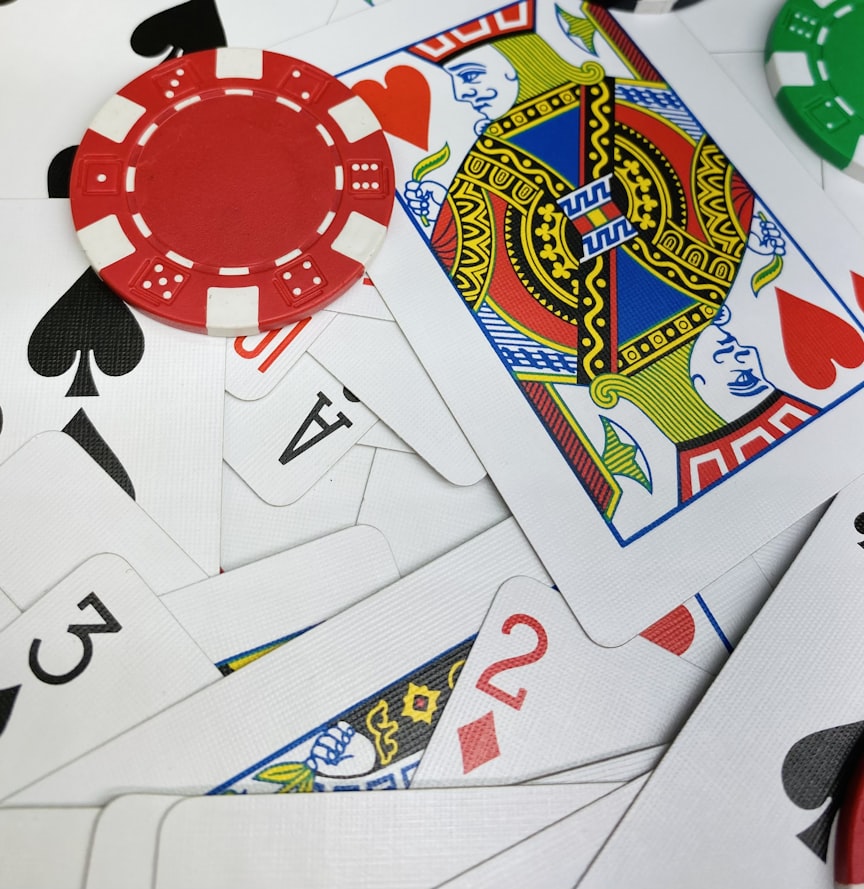
Moreover, the desire to take risks in a casino can stem from a variety of psychological factors, including escapism and the need for social interaction. For many, gambling provides a temporary escape from everyday life and its challenges. The casino environment, filled with bright lights and sounds, creates a sensory overload that heightens the experience. This environment encourages players to let loose, and the communal atmosphere adds an element of social bonding. In this way, risk-taking becomes not just an individual pursuit but a shared experience among friends and strangers alike.
However, the allure of risk-taking can sometimes lead to detrimental behavior. While many gamble responsibly, others may find themselves unable to control their impulses, leading to addiction. The fine line between thrill-seeking and compulsive gambling is often blurred, as the initial excitement can evolve into a dangerous cycle of chasing losses. Understanding this psychological dynamic is crucial for both players and operators to foster a safe gambling environment.
Cognitive Biases in Gambling
Cognitive biases significantly influence our decisions in gambling contexts. One prominent bias is the illusion of control, where players believe they can influence the outcome of games that are ultimately based on chance, such as slot machines or roulette. This belief can lead to increased risk-taking, as players may feel empowered to make decisions that have little to no bearing on the actual results. The more they win, the stronger this illusion becomes, creating a cycle that further entices them to gamble.
Another cognitive bias prevalent in gambling is the gambler’s fallacy. This occurs when players believe that past events can influence future outcomes. For instance, if a player has seen a particular number come up multiple times, they may irrationally assume that it is less likely to appear again soon. This misconception can lead them to place bets based on flawed reasoning, making them more susceptible to risk. Understanding these cognitive biases is essential in unpacking the psychological layers of gambling behavior.
Additionally, confirmation bias plays a role in how gamblers interpret their experiences. Players may only remember wins while forgetting about losses, reinforcing their belief that they are due for a win. This selective memory can lead to continued gambling, as players think they can turn their luck around. Recognizing these cognitive distortions can help players make more informed decisions and engage in gambling more responsibly, ultimately leading to a healthier relationship with risk-taking.
The Role of Environment in Gambling Behavior
The environment in which gambling occurs plays a significant role in shaping behavior and decisions. Casinos are meticulously designed to encourage players to stay longer and take risks. From the layout of the gaming floor to the enticing sounds of slot machines, everything is crafted to immerse the player in a world of excitement and possibility. This carefully curated atmosphere can make it difficult for individuals to resist the allure of betting, as the environment continuously feeds into their desire for risk and reward.
Furthermore, the availability of bonuses and promotional offers can psychologically influence gambling behavior. Many online casinos, like Grand Mondial Casino, offer a range of bonuses, such as welcome packages and free spins, creating a sense of urgency and opportunity. These promotions exploit the natural human tendency to take risks in pursuit of greater rewards, prompting players to gamble more than they initially intended. The excitement surrounding bonuses can amplify the overall experience, reinforcing the connection between risk-taking and potential gains.
The social dynamics within gambling environments also impact player behavior. Whether in a brick-and-mortar casino or online, the presence of other gamblers can create a sense of community and camaraderie. This social aspect often encourages individuals to engage in riskier behaviors. Groupthink can emerge, leading players to feel compelled to gamble in larger stakes or try different games simply because others are doing so. Understanding the role of environment in gambling can help in mitigating risks and promoting responsible play.
The Emotional Aspect of Gambling
The emotional experience tied to gambling is another crucial element in understanding risk-taking behavior. For many, gambling is not merely about winning money; it can be an outlet for expressing emotions, such as excitement, anxiety, or even sadness. When players enter a casino, they often bring their emotional states with them, which can significantly impact their decision-making. Engaging in gambling can serve as a coping mechanism for some, providing a distraction from stress or personal issues.
Additionally, the emotional rollercoaster of gambling—winning one moment and losing the next—creates a complex relationship between players and their gambling activities. This inconsistency can heighten feelings of hope and despair, making it challenging to walk away when needed. The highs can lead to cravings for more thrills, while the lows can lead to chasing losses, further entrenching the player in a cycle of risky behavior.
Understanding the emotional ramifications of gambling can aid in developing strategies for responsible play. Players who recognize their emotional triggers are better equipped to set limits and make informed decisions about their gambling habits. Additionally, support systems and resources are available for those who struggle with emotional ties to gambling, promoting healthier relationships with risk and the gambling environment.

Grand Mondial Casino and Responsible Gaming
Grand Mondial Casino exemplifies the importance of responsible gaming in the gambling industry. With its extensive range of promotional offers, the platform provides players with numerous opportunities to enhance their gaming experience while emphasizing the significance of informed decision-making. The site is designed to encourage players to take advantage of bonuses without losing sight of their limits, ultimately promoting a balanced approach to gambling.
Moreover, Grand Mondial Casino emphasizes transparency in its operations, making it easier for players to understand bonus terms and wagering requirements. This clarity ensures that players can track their gaming progress effectively, reducing the likelihood of impulsive bets driven by excitement or emotional distress. The site’s user-friendly interface fosters a responsible gaming atmosphere that aligns with the psychological insights discussed throughout the article.
By prioritizing responsible gaming and player welfare, Grand Mondial Casino sets a standard for others in the industry. The focus on creating a safe and engaging environment allows players to enjoy the thrill of gambling while mitigating the risks associated with it. As we deepen our understanding of the psychology of gambling, it becomes increasingly clear that promoting responsible practices benefits both players and operators alike.